
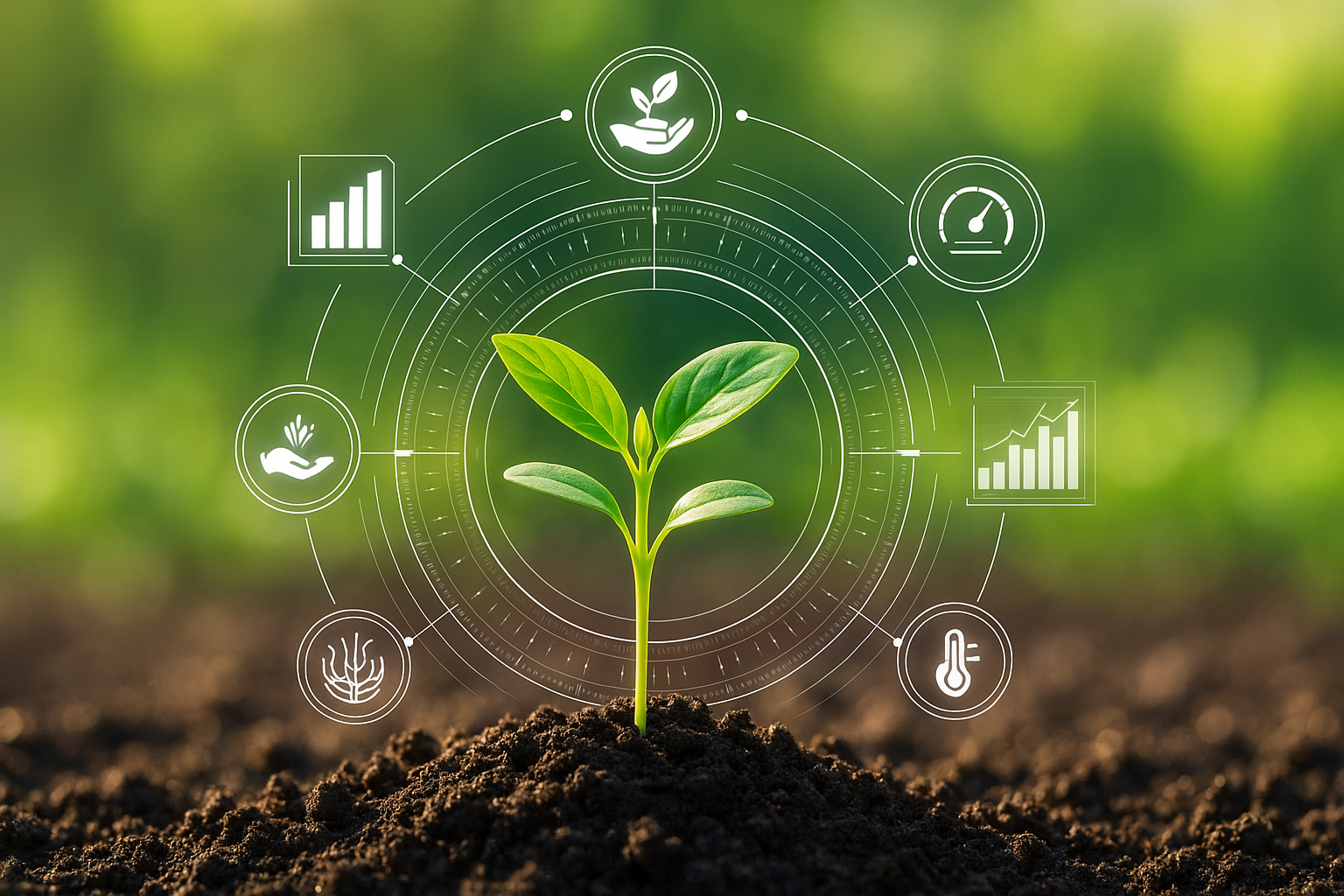
Future of Agricultural Research with Artificial Intelligence
Dr. Md Muzammel Hossain, Assistant Professor, Department of Environmental Science, Agri Queen International University, Bangladdesh
Agricultural research with Artificial Intelligence (AI) is transforming the way we grow, manage, and optimize farming practices. By integrating AI technologies, researchers and farmers can make data-driven decisions to improve crop yields, reduce resource usage, and promote sustainable agriculture.
Precision Agriculture: AI-powered systems will enable precise monitoring of soil health, crop conditions, and weather patterns. Drones and satellite imagery combined with AI will optimize irrigation, fertilization, and pest control, reducing resource waste.
Crop Management and Yield Prediction: Machine learning models will enhance crop yield predictions based on environmental data. AI will assist in selecting optimal planting times and crop varieties for specific regions.
Pest and Disease Detection: AI-driven image recognition tools will identify pests and diseases early, allowing for targeted interventions. Automated systems will reduce the need for chemical pesticides, promoting sustainable practices.
Autonomous Machinery: Development of AI-enabled robots and machinery for planting, harvesting, and maintenance. Increased efficiency and reduced labor costs in farming operations.

Data-Driven Decision Making: Integration of big data analytics with AI will provide farmers and researchers with actionable insights. Enhanced decision-making for crop rotation, resource allocation, and risk management.
Biotechnology and Genetic Research: AI will accelerate the development of genetically modified crops with desirable traits such as drought resistance or higher nutritional value. Simulation models will predict the outcomes of genetic modifications.
Climate Change Adaptation: AI models will forecast climate impacts on agriculture and suggest adaptive strategies. Support for developing resilient crop varieties and farming practices.
Challenges and Considerations
Data privacy and security Access to AI technology for smallholder farmers Ethical considerations in genetic editing and AI decision-making.
Conclusion
Artificial intelligence is poised to revolutionize agricultural research by making farming more efficient, sustainable, and resilient to climate challenges. Continued innovation and collaboration between technologists, agronomists, and policymakers will be key to unlocking its full potential.
