
World Fish Migration Day 2026
AQIU celebrated World Fish Migration Day 2026 through the study on migratory fish and livelihood as “The River in Bangladesh : Species Conservation and livelihood Observation” which BCFRC & CBEES are actively advocating strategy of ecosystem development and conservation. Program coordinator Abdullah Al Nahian and Sumaiya supported the events activities.
Migratory fish, such as Hilsha, play a vital role in the livelihood of local people in Mymensingh. These fish migrate from the sea to freshwater rivers for spawning, providing a crucial source of income and nutrition for the community.
Mentor Dr. Md Muzammel Hossain has investigated and found that the livelihoods of many fishermen and their families depend on the seasonal migration of these fish. During peak migration seasons, local fishermen engage in fishing activities to catch Hilsha and other migratory species, which are highly valued in local markets. The income generated from fishing supports their daily needs, education, and healthcare.
In addition to direct fishing, the presence of migratory fish stimulates related industries such as fish processing, trading, and transportation. Markets flourish with the arrival of these fish, contributing to the local economy.
Environmental changes, pollution, and barriers to migration can threaten these fish populations, impacting the livelihoods of local communities. Sustainable fishing practices and conservation efforts are crucial to ensure that migratory fish continue to support the socio-economic well-being of people in Mymensingh.
Dr. Md. Muzammel Hossain also found and reported that the absence of migratory fish in the region is primarily due to the disconnection between the Old Brahmaputra River and the major Jamuna River. This disconnection has significant changed in ecological and fishery implications.
Disruption of Migration Routes: The natural migration pathways for fish species like Hilsha and other migratory fish depend on continuous river systems. When the Old Brahmaputra is disconnected from the Jamuna River, it blocks the migratory routes, prenting fish from reaching their spawning grounds upstream.
Loss of Spawning Habitats: Disconnection leads to the loss or reduction of suitable spawning habitats in the upstream areas. Fish cannot reach these critical zones for breeding, resulting in a decline in fish populations.
Decline in Fish Population: Without access to traditional migration routes and spawning grounds, the populations of migratory fish decrease sharply, leading to their absence in local water bodies.
Impact on Livelihoods: The disappearance of these fish species affects local fishermen and communities that depend on migratory fish for their livelihood and nutrition.
Environmental Consequences: The ecological balance of the river system is disturbed, affecting biodiversity and river health.
Restoring connectivity between the Old Brahmaputra and Jamuna River is crucial for revitalizing migratory fish populations. Implementing measures such as removing barriers, creating fish passages, and managing river flows can help restore natural migration routes and support sustainable fisheries.
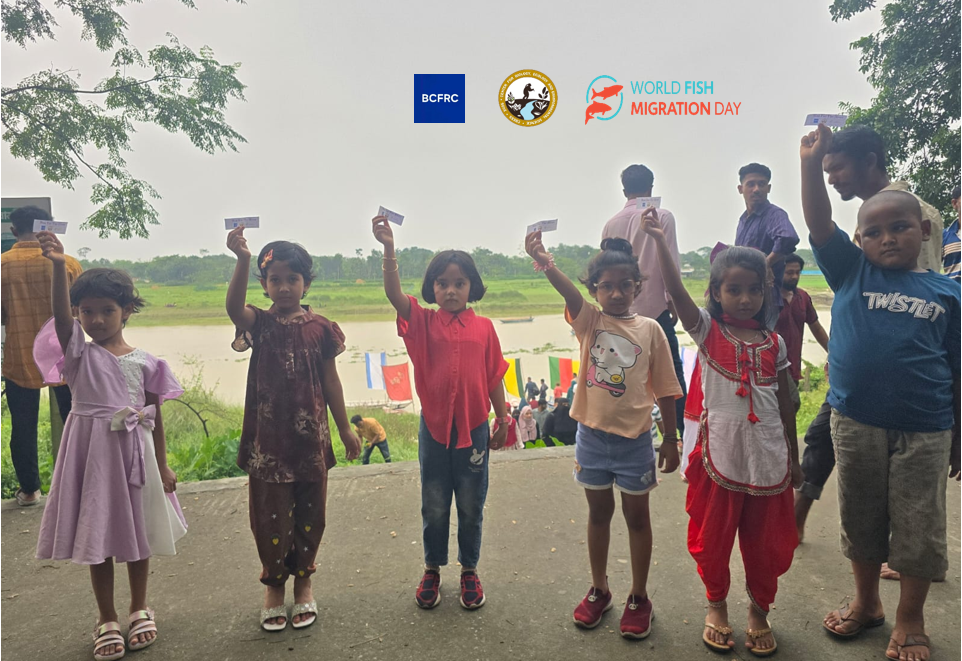
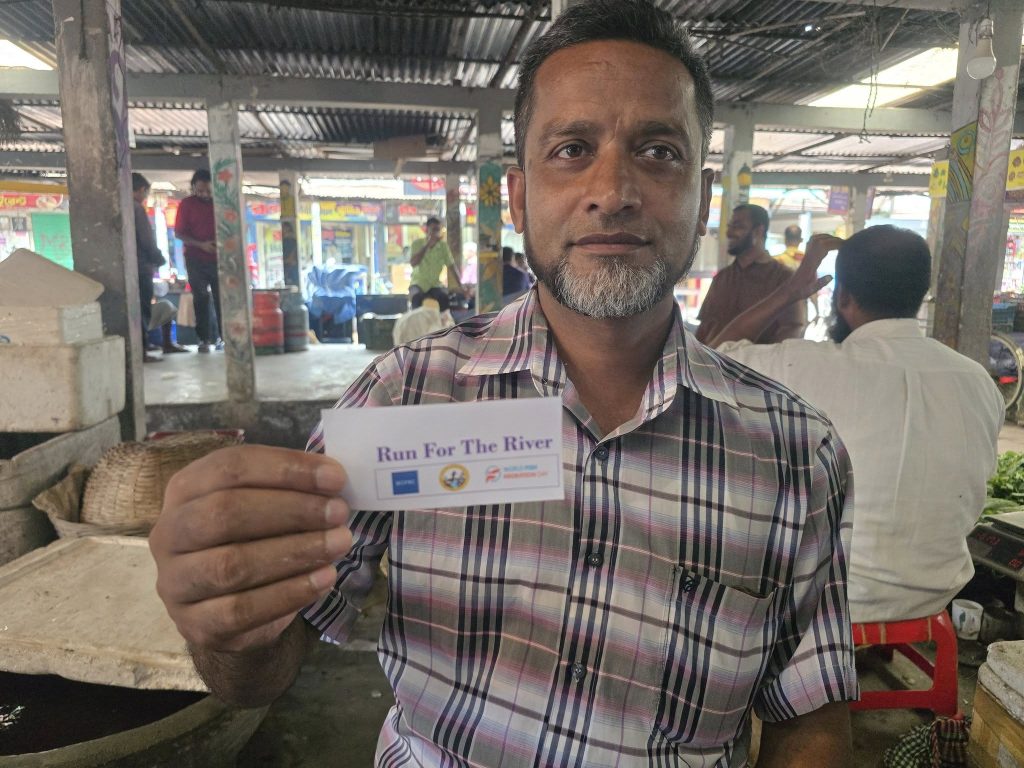
BCFRC and CBEES also celebrated the event as Run For The River. CBEES and BCFRC celebrated World Fish Migration Day 2026 Bangladesh as “Run for the River” by the supporter of Dr. Md. Muzammel Hossain. Mentor (PI) Dr. Md. Muzammel Hossain visited at the Old Brahmaputra River area and perform the activities with child and adult tourist people. Rising awareness to conserve river ecosystem and migratory fish.
Once upon a time, in a small village nestled beside a river, the community faced a growing problem. The river that once flowed abundantly was slowly drying up. The villagers knew they had to act before it was too late.
One bright morning, a young girl named Mariam decided to organize a run—an event called “Run for the River.” She believed that if everyone came together, they could raise awareness and inspire change. She spread the word, and soon, people of all ages signed up to participate.
On the day of the run, the village was alive with energy. Children, elders, farmers, and traders all took part, running along the riverbank. As they moved, they remembered the times when the river was full of life—children swimming, boats sailing, and fish darting beneath the surface.
After the run, the villagers gathered and pledged to take action. They planted trees along the banks, cleaned up trash, and used water more wisely. The community realized that their efforts, big or small, could make a difference.
The river gradually began to recover, flowing stronger and clearer than before. The “Run for the River” had not only raised awareness but also united the villagers in a shared purpose.
From that day on, every year, they ran again—celebrating their river and reminding everyone that caring for nature starts with a single step. And together, they ensured that the river would continue to flow for generations to come.