Agri Queen International University (AQIU): Remembering July in Bangladesh
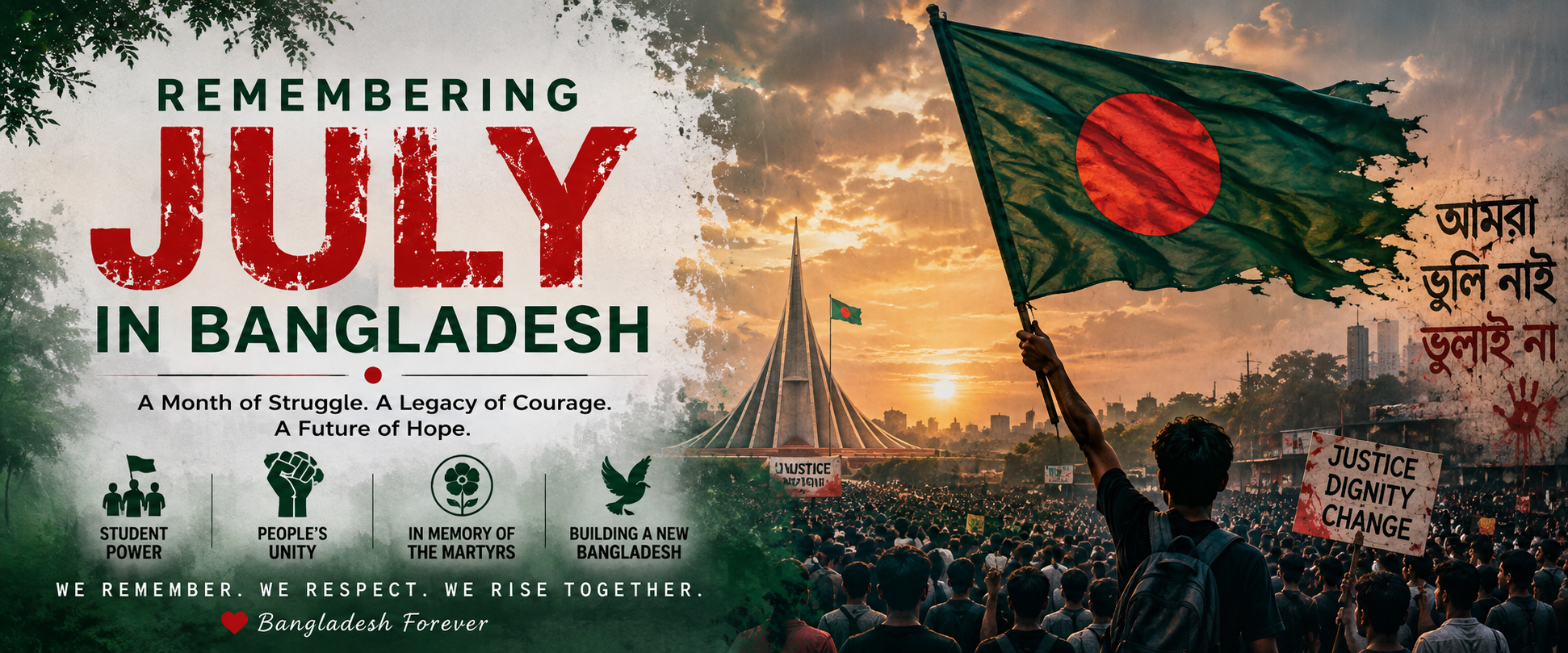
July in Bangladesh represents the historic July Uprising of 2024, a youth-led mass revolution that ended 16 years of authoritarian rule and brought profound political change. Remembering July in Bangladesh event led by Associate Professor Dr. Md. Muzammel Hossain.
The July Uprising—also known as the July Mass Uprising, Student-People’s Uprising, July Revolution, Gen Z Revolution, or Monsoon Revolution—was a historic mass movement in Bangladesh in 2024. Beginning in early June, the uprising culminated in the resignation of the Sheikh Hasina-led Awami League government on 5 August 2024, bringing an end to its 15-year rule. It has been widely described as the world’s first successful Gen Z–led revolution, driven primarily by the platform Students Against Discrimination.
The movement initially emerged as a protest against the reinstatement of a controversial quota system in government jobs. In June 2024, the Supreme Court of Bangladesh restored quotas that reserved 30% of public sector positions for descendants of freedom fighters. This decision sparked widespread student-led demonstrations across the country. Tensions escalated further when Prime Minister Sheikh Hasina referred to the protesters as “grandchildren of Razakars,” a remark that ignited nationwide outrage and intensified anti-government protests.
As demonstrations grew, law enforcement agencies, along with activists affiliated with the ruling Awami League, launched a forceful crackdown on protesters. The resulting violence led to the deaths of more than 1,000 individuals, making it the deadliest period in Bangladesh since its independence. International human rights organizations, including Amnesty International and Human Rights Watch, condemned the government’s response, citing serious human rights violations and the deaths of students, journalists, and civilians.
Although the Supreme Court later annulled the reinstated quotas, protests persisted, shifting focus toward justice for those killed during the movement. On 3 August 2024, protest leaders issued a one-point demand: the resignation of Prime Minister Sheikh Hasina. Amid escalating unrest and a nationwide non-cooperation movement, Hasina resigned on 5 August and went into exile in India. Her departure triggered a constitutional crisis and was followed by episodes of political and religious unrest.
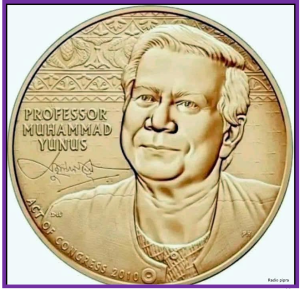
On 5 August 2025, marking the first anniversary of Hasina’s resignation, the uprising received formal constitutional recognition. Chief Adviser Prof. Dr. Muhammad Yunus announced the “July Declaration,” which included commitments to hold a free and fair general election and a constitutional referendum on the proposed July Charter.
The July Uprising left a lasting imprint on Bangladesh’s political landscape, society, and culture. It reshaped national discourse, empowered youth-led activism, and became part of a broader wave of Gen Z–driven movements across Asia. Its legacy continues to influence debates on governance, justice, and democratic reform in Bangladesh.