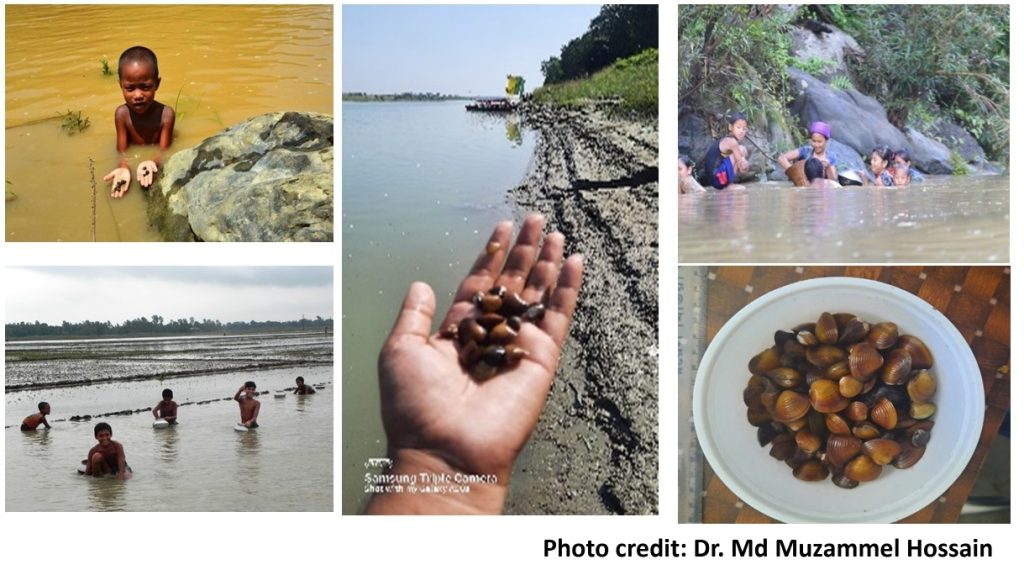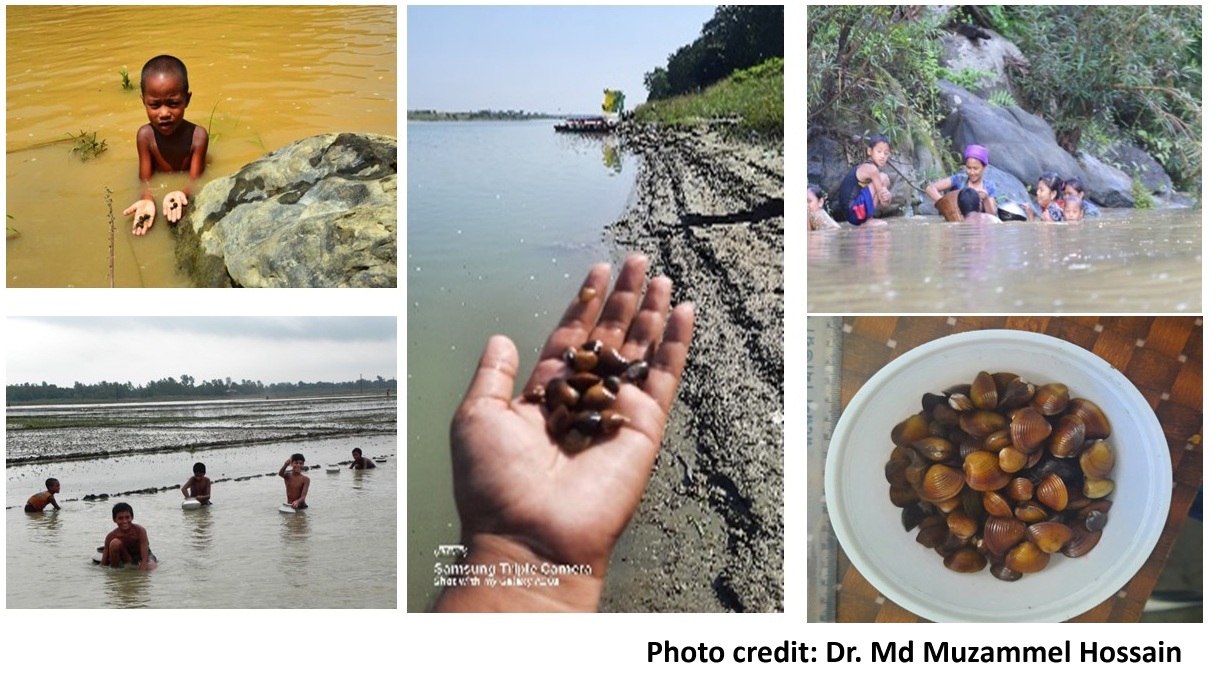
Corbicula fluminea, an invasive bivalve species, is widely found in various aquatic environments and is commonly used as a bioindicator to monitor pollution levels. Recent studies highlight significant environmental contamination of urban rivers in Bangladesh with potentially toxic elements (PTEs), raising concerns about the safety of consuming these invasive Asian clams from such areas.
Expertise from specialists like Dr. Md Muzammel Hossain emphasizes the importance of identifying pollution sources and monitoring bioaccumulation patterns in C. fluminea to protect both ecosystems and human health. Findings consistently show higher concentrations of PTEs in clams collected from heavily polluted sites, which correlates with increased health risks—particularly for vulnerable groups such as children and pregnant women. These insights underscore the urgent need for pollution control and public health interventions to mitigate potential risks associated with contaminated aquatic food sources.
Research entitled “Potentially toxic elements (PTEs) in the invasive Asian clam (Corbicula fluminea) from polluted urban river areas of Bangladesh and evaluation of human health risk“. Researcher Dr. Md Muzammel Hossain from BCFRC, Bangladesh and Jiangsu University, China conducted field visits to multiple urban rivers in Bangladesh to collect Asian clam samples, and the results have been published in the scientific journal Environmental Monitoring and Assessment.